
Why Commercial Fuel Tank Condition Matters for Fuel Quality
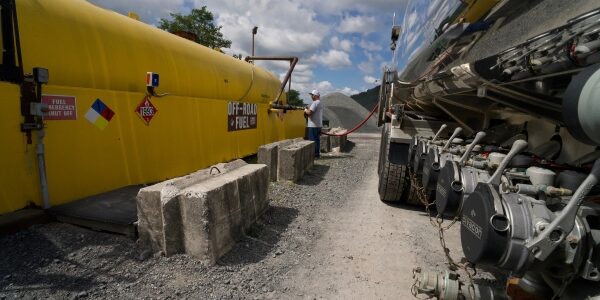
Fuel quality directly impacts commercial equipment performance, reliability, and operating costs. Contaminated or degraded fuel can increase maintenance needs, reduce efficiency, and cause costly downtime. For businesses using bulk fuel storage, commercial fuel tank condition is critical to maintaining fuel integrity.
This article explains how storage tank condition affects fuel quality and why proper maintenance supports reliable performance, cost control, and environmental compliance.
How Commercial Fuel Tank Condition Affects Fuel Quality in Pennsylvania, Maryland, West Virginia, and Ohio
Commercial fuel tank condition directly influences the quality of stored fuel. Corrosion and structural damage can allow rust, bacteria, and other contaminants to enter the fuel, reducing its quality and equipment performance.
Routine inspections and maintenance help prevent contamination, preserve fuel efficiency and reliability, and support compliance with safety and environmental regulations.
Understanding Fuel Quality
Fuel quality directly affects equipment performance, efficiency, and reliability. High-purity fuel with minimal unwanted substances helps protect engine components and support consistent operation.
Stability is also important, especially during storage, because fuel must resist chemical degradation over time. Contaminants such as water, dirt, and biological growth can reduce efficiency, clog fuel systems, and damage equipment.
Why High-Quality Fuel Matters in Pennsylvania, Maryland, West Virginia, and Ohio
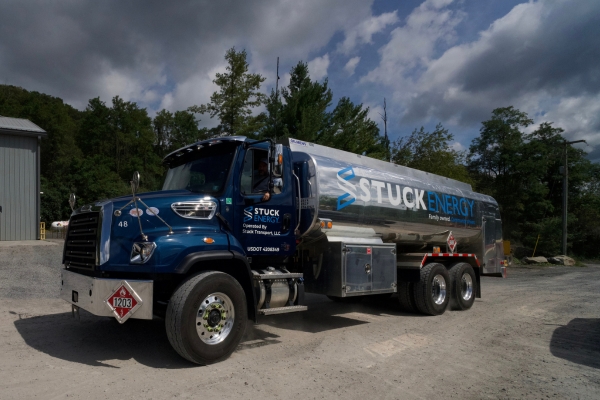
High-quality fuel helps commercial engines and machinery operate efficiently by supporting proper combustion and maximizing energy output. Consistent fuel quality contributes to reliable equipment performance while helping businesses control operating costs.
Clean fuel with minimal impurities and contaminants also reduces the risk of equipment damage. This can extend machinery lifespan while lowering maintenance and repair needs. Maintaining high fuel quality is essential for dependable, efficient, and cost-effective commercial operations.
Risks of Poor Fuel Quality
Poor-quality fuel can disrupt commercial operations and increase maintenance expenses. Contaminants and impurities may clog filters, corrode engine components, and accelerate equipment wear.
These problems can require more frequent service, costly repairs, or equipment replacement. Compromised fuel also raises the risk of system failures and unexpected downtime, causing operational delays and financial losses. Therefore, maintaining fuel quality is essential for equipment efficiency, reliability, and cost control.
Commercial Fuel Storage Tank Functions in Pennsylvania, Maryland, West Virginia, and Ohio
Commercial storage tanks help protect fuel quality while providing safe, dependable on-site storage. Proper tank materials and protective coatings help prevent corrosion and leaks that could compromise fuel integrity and purity.
Storage systems may also include equipment for monitoring tank conditions, helping maintain fuel stability and identify potential issues before they affect fuel quality.
Common Commercial Fuel Tank Problems
Even durable commercial storage tanks can develop problems over time. Corrosion, particularly in aging tanks, can weaken tank walls and increase the risk of fuel leaks. These leaks can waste fuel and potentially cause environmental contamination.
Fuel contamination is another concern. Water, dirt, and biological growth can enter or accumulate inside tanks, especially when routine cleaning, inspections, and maintenance are neglected.
Effects on Stored Fuel Quality
Problems within commercial storage tanks can substantially reduce the quality of stored fuel. Corrosion and leaks may introduce contaminants while exposing fuel to outside substances that compromise its purity, stability, and efficiency.
Likewise, water, debris, or biological contamination can impair fuel performance and stability, potentially causing clogged engine filters and inefficient combustion. For this reason, maintaining commercial storage tanks in good condition is directly connected to protecting fuel quality over time.
The Connection Between Fuel Quality and Storage Tank Condition

Fuel quality depends heavily on the storage tank’s materials, physical condition, and routine maintenance, making effective tank management essential for preserving fuel integrity.
Corrosion and Fuel Contamination
Storage tank deterioration can directly compromise fuel quality. Corrosion may introduce rust and metal particles, while accumulated moisture can encourage microbial growth and reduce fuel purity.
Water intrusion can further destabilize stored fuel, while sediment buildup in neglected tanks increases contamination risks. These conditions can ultimately reduce fuel performance and equipment reliability.
Fuel Tank Materials and Fuel Compatibility
Commercial fuel tank materials must remain compatible with the stored fuel to prevent deterioration. Incompatible materials can react with certain fuels, degrading fuel quality while accelerating tank corrosion. Selecting suitable tank materials helps maintain fuel integrity and prolong the storage system’s service life.
Economic and Environmental Considerations

Effective storage tank management helps businesses control operating costs, reduce environmental risks, and maintain regulatory compliance.
Financial Risks of Neglected Maintenance
Neglecting storage tank maintenance can increase operating and repair costs while creating additional expenses from fuel spills, environmental cleanup, and potential legal liabilities. Poor tank management can also damage a company’s reputation, resulting in lasting financial consequences beyond immediate maintenance expenses.
Environmental Consequences
Neglected storage tanks can leak or spill, contaminating surrounding soil and water sources. Addressing fuel-related environmental damage may require extensive, costly remediation, creating additional financial and operational burdens for businesses.
Regulatory and Compliance Requirements
Commercial fuel storage is subject to safety and environmental regulations intended to minimize leaks, spills, and contamination. Noncompliance can lead to significant fines, legal consequences, and possible operational shutdowns, potentially threatening financial stability and business continuity.
Best Practices for Maintaining Commercial Fuel Tanks
Following effective tank management practices helps preserve fuel quality, minimize operational risks, and maintain dependable storage performance over time.
- Select Appropriate Storage Solutions: Choose tank materials and designs compatible with the stored fuel to prevent chemical reactions, limit deterioration, and maintain long-term fuel stability.
- Perform Routine Inspections: Regular inspections help identify corrosion, leaks, and structural damage early, allowing timely corrective action that protects tank integrity and fuel quality.
- Use Tank Monitoring Technology: Sensors and monitoring systems can track fuel levels, tank conditions, and potential leaks, improving oversight and allowing faster responses to developing problems.
- Maintain Emergency Response Plans: Clear procedures for spills or tank failures help businesses respond quickly, reduce environmental damage, protect stored fuel, and minimize operational disruptions.
FAQs: Commercial Fuel Tanks

What Determines How Often a Commercial Fuel Tank Needs Cleaning?
Professional cleaning schedules vary based on fuel type, tank capacity, consumption, and environmental conditions. Many commercial tanks benefit from cleaning every one to three years to remove accumulated water, sludge, and microbial growth before these contaminants compromise stored fuel quality.
Can Fuel Additives Help Protect Stored Fuel Quality?
Fuel additives can support fuel stability, slow oxidation, and help control microbial growth during storage. They work best as part of a broader maintenance program that includes routine tank inspections, water removal, and proper storage practices.
How Does Fuel Turnover Influence Stored Fuel Quality?
Fuel that remains in storage for long periods faces greater risks of degradation, moisture accumulation, and microbial contamination. More frequent turnover keeps the fuel supply fresher and helps reduce problems associated with extended storage.
Do Fuel Quality Risks Differ Between Underground and Aboveground Tanks?
Underground tanks may face greater risks from soil-related corrosion and moisture intrusion, while aboveground tanks experience more temperature changes and weather exposure. Each storage configuration requires appropriate inspection and maintenance practices to preserve fuel quality.
What Signs Can Indicate Declining Fuel Quality?
Common warning signs include frequent filter clogging, inconsistent equipment operation, unusual fuel odors, visible sediment or water in samples, and rising maintenance needs. Identifying these issues early can help prevent equipment failures, operational downtime, and costly repairs.
Conclusion
Proper commercial fuel tank management is essential for protecting fuel quality, equipment reliability, and long-term operating costs. Routine inspections, appropriate storage solutions, and consistent maintenance help prevent contamination, leaks, and fuel degradation while supporting environmental compliance. Businesses that prioritize tank condition can protect their fuel investment, reduce avoidable expenses, and maintain dependable operations.
Contact Stuck Energy for Dependable Commercial Fuel Delivery
Stuck Energy provides reliable commercial fuel delivery throughout Pennsylvania, Maryland, West Virginia, and Ohio, helping businesses maintain consistent fuel supplies and efficient daily operations. We deliver high-quality fuel with dependable scheduling, competitive pricing, and service tailored to your operational requirements.
For businesses that need convenient on-site fuel storage, Stuck Energy offers fuel cubes designed to provide secure, accessible fuel at the jobsite or facility. These storage solutions can simplify refueling, improve fuel management, and reduce unnecessary downtime.
Count on Stuck Energy for dependable commercial fuel delivery and practical storage solutions that support your business. Reach out to our team today to discuss your fuel requirements and find a delivery and storage plan suited to your operations.
You can click here to contact us now or call us at (724) 627-3757 to find out more! Click the link to view our service area.

Related Articles: