
Fuel Management Strategies For Construction Sites

Effective construction site fuel management is crucial for keeping projects running smoothly while controlling costs across construction sites. Strategic coordination of construction site fuel management, delivery schedules, and on-site storage can minimize downtime, manage operating expenses, and avoid unexpected shortages that interfere with daily activities.
This article examines essential strategies for managing fuel efficiently on construction sites, emphasizing how dependable deliveries and proper storage help prevent costly disruptions while improving overall operational efficiency.
Streamlining Construction Fuel Management in Pennsylvania, Maryland, West Virginia, and Ohio
Effective fuel management helps construction projects remain on schedule while controlling overall costs. Strategies such as monitoring fuel consumption, maintaining secure storage, and coordinating deliveries can minimize downtime and improve productivity.
Common Fuel Supply Issues on Construction Sites
Construction projects encounter recurring fuel supply problems that can disrupt schedules and raise operating costs. Shortages may result from fluctuating fuel demand or delayed deliveries, creating expensive downtime while essential machinery remains inactive. Poor fuel management, including inadequate tracking and improper storage, can also cause waste and unreliable equipment performance, reducing overall jobsite productivity.
Partnering with a reliable commercial fuel provider can help construction teams manage these concerns through coordinated deliveries, appropriate storage solutions, and fuel monitoring services. An organized fuel supply lowers the likelihood of shortages, minimizes waste, and allows crews to keep machinery running throughout every stage of the project.
Dependable Construction Fuel Delivery Across Pennsylvania, Maryland, West Virginia, and Ohio
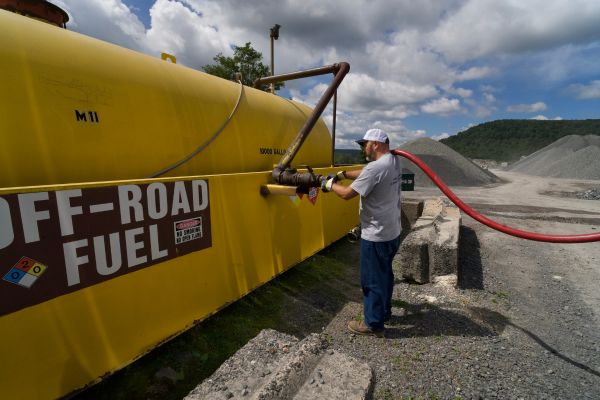
Construction projects depend on a steady fuel supply to keep on-road vehicles, including transport trucks, and off-road machinery, such as excavators and generators, running without disruption. Late fuel deliveries can leave essential equipment idle, delaying important tasks and affecting overall project schedules.
A dependable commercial fuel provider can arrange scheduled deliveries according to equipment usage, project schedules, and available on-site storage capacity. Responsive delivery services also allow construction crews to adjust when fuel demand changes unexpectedly, helping prevent shortages and ensuring equipment remains prepared for daily operations.
On-Site Construction Fuel Storage in PA, MD, WV, and OH: Tanks & Mobile Solutions
Reliable on-site fuel storage is essential for construction projects that require consistent fuel access to avoid disruptions. Keeping a dedicated fuel supply at the jobsite allows crews to refuel equipment when needed, improving workflow and reducing downtime. Proper storage also supports better fuel management by helping project managers monitor consumption and maintain greater accountability.
On-site fuel storage offers a practical solution for construction projects with varying fuel demands, equipment needs, available space, and schedules. These self-contained units provide convenient fuel access while helping crews maintain an organized and reliable supply directly at the jobsite.
Using appropriately sized fuel storage can reduce delivery frequency and simplify equipment refueling throughout the workday. With proper management, on-site fuel storage helps maintain consistent fuel availability, improve accountability, support project schedules, and control operating costs.
Efficient Automatic Fuel Delivery & Monitoring
Automatic fuel delivery helps construction sites maintain reliable supplies without frequent manual tank checks or last-minute orders. Combined with remote monitoring, it allows project managers to track fuel levels and usage while scheduling deliveries before supplies run low.
This approach helps prevent runouts and equipment downtime while improving visibility into consumption. Accurate monitoring also makes it easier to forecast demand, coordinate deliveries, and keep projects operating efficiently.
Reducing Construction Fuel Usage and Costs

Effective fuel management helps construction sites lower operating costs, improve efficiency, and reduce waste. Key strategies include:
- Maintain Equipment Properly: Routine maintenance keeps machinery operating efficiently, reduces excess fuel consumption, and supports longer equipment life.
- Reduce Idling: Unnecessary idling wastes fuel without productive output. Idle limits and operator training can help minimize avoidable consumption.
- Track Fuel Consumption: Monitoring usage helps managers identify high-consumption equipment and adjust operating or maintenance schedules accordingly.
Together, these practices help control fuel expenses, improve jobsite efficiency, and support more sustainable construction operations.
Protecting Your Construction Fuel Supply
Securing fuel on construction sites helps prevent losses while maintaining safe operations. Recommended fuel security practices include:
- Prevent Fuel Theft: Locked storage and controlled access help deter unauthorized use, theft, financial losses, and jobsite disruptions.
- Manage Spills: Secondary containment around fuel tanks helps limit environmental damage if spills occur while supporting safer site conditions.
- Follow Safety Standards: Proper fuel storage and handling should meet applicable regulations to reduce risks and maintain workplace safety.
Fuel storage should include suitable locks, spill containment, controlled access, and monitoring when appropriate. Working with a qualified fuel supplier also helps construction companies choose storage and delivery solutions that meet safety and environmental requirements while reducing theft, spills, and fuel losses.
Construction Site Fuel Management: Frequently Asked Questions

Why Is On-Site Fuel Storage Beneficial?
On-site fuel storage provides several advantages, including convenient fuel access and less downtime caused by delivery delays. It also enables companies to order fuel in bulk, which may help lower costs. Keeping fuel at the jobsite further improves efficiency by keeping equipment fueled, available, and ready to operate.
How Can Construction Sites Increase Fuel Efficiency?
Improving construction site fuel efficiency requires several practical measures. Maintain equipment regularly for efficient performance, reduce unnecessary idling to conserve fuel, and use real-time fuel monitoring systems. These practices help track consumption, uncover inefficiencies, and manage fuel usage more effectively, ultimately reducing overall operating costs.
Which Fuel Storage Tanks Are Commonly Used on Construction Sites?
Construction sites can use above-ground tanks, mobile fuel tanks, skid tanks, or fuel cubes based on fuel consumption, available space, equipment needs, and project length. The proper tank size and setup should ensure convenient fuel access while complying with relevant storage, safety, and environmental regulations.
What Steps Can Help Prevent Fuel Theft at Construction Sites?
Protect jobsite fuel by using secure, lockable tanks, remote monitoring systems, and placing storage in well-lit areas with controlled access. Regularly tracking and reviewing fuel levels can also identify unusual discrepancies early, helping reduce theft and keep the site’s fuel supply secure.
How Do Fuel Monitoring Systems Help Construction Sites?
Fuel monitoring systems provide current information about tank levels and fuel consumption, helping project managers anticipate refueling needs and avoid unexpected shortages. Consistent monitoring can also reveal unusual usage patterns, improve delivery planning, strengthen fuel accountability, and support more efficient fuel management across the site.
Conclusion
Successful construction fuel management requires dependable deliveries, secure jobsite storage, precise fuel tracking, and efficient equipment operation. A coordinated fuel strategy helps avoid shortages, control unnecessary consumption, minimize downtime, and keep construction projects running safely while staying within budget.
For reliable construction fuel delivery, storage options, and monitoring solutions across Pennsylvania, Maryland, West Virginia, and Ohio, contact Stuck Energy. Our team can help maintain a steady fuel supply and keep your equipment operating throughout every phase of your project.
Contact Stuck Energy for Reliable Construction Fuel Services in Pennsylvania, Maryland, West Virginia, and Ohio
Stuck Energy provides dependable commercial fuel delivery and storage solutions for construction sites across Pennsylvania, Maryland, West Virginia, and Ohio. We help contractors maintain consistent fuel supplies with responsive deliveries and practical on-site storage options designed to keep equipment operating efficiently.
Our fuel solutions support changing jobsite demands through scheduled deliveries, bulk fuel storage, and fuel monitoring options. With reliable service and experienced support, we help construction teams reduce downtime, prevent shortages, and manage fuel more effectively.
Contact Stuck Energy today to discuss construction fuel delivery and storage solutions for your next project.
You can click here to contact us now or call us at (855) 577-3835 to find out more! Click the link to view our service area.