
Summer Heating Oil Storage: What Homeowners Should Know
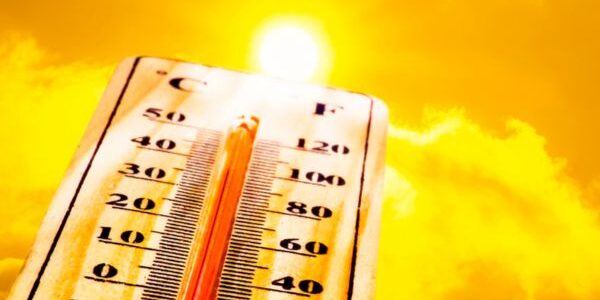
Understanding heating oil in summer is important because higher temperatures can warm the fuel and storage tank, increasing condensation, moisture buildup, and fuel degradation. Over time, these conditions may contribute to sludge, corrosion, and contamination that affect heating system performance when colder weather returns.
This article explains how summer heat affects heating oil quality and storage, along with maintenance practices that help protect your fuel and equipment for the next heating season.
Heating Oil in Summer: Key Factors to Consider
As temperatures rise, understanding how summer conditions affect heating oil becomes important for preserving fuel quality and heating system efficiency. Knowing heating oil properties and how different formulations respond to warmer conditions can help protect stored fuel throughout the summer.
Understanding Residential Heating Oil Composition
Heating oil consists primarily of hydrocarbons and may contain additives that improve stability and performance. These additives can help prevent corrosion and preserve fuel quality. Common options include standard heating oil, low-sulfur fuels, and biofuel blends designed for varying performance needs and environmental requirements.
Fuel composition may also vary according to regional regulations and supplier practices, influencing how heating oil responds to summer heat. Understanding these differences supports proper storage and maintenance during warmer months, helping preserve fuel integrity and heating efficiency.
How Summer Heat Affects Fuel Oil
Summer heat can affect heating oil quality and storage in several ways:
- Fuel Degradation: Higher temperatures can accelerate oxidation and polymerization, degrading heating oil, reducing efficiency, and increasing the risk of system issues.
- Sludge and Sediment: Heat-related fuel breakdown can create sludge and sediment that may clog filters and fuel lines, disrupting system performance.
- Long-Term Fuel Quality: Proper storage and maintenance help preserve heating oil quality during summer and support reliable operation when colder weather returns.
Effects on Fuel Storage & Delivery
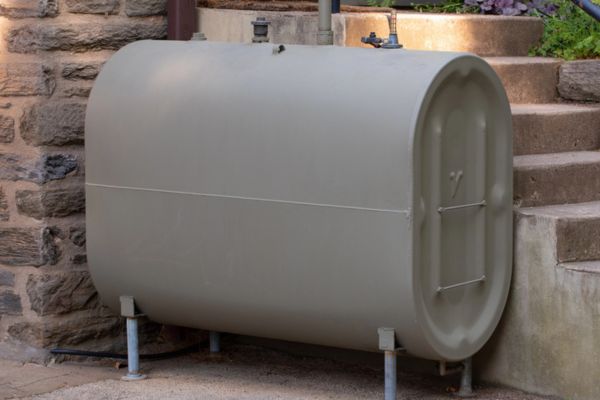
Summer conditions can influence heating oil storage and delivery, making proper handling and maintenance important for preserving fuel quality and preparing for the heating season.
Heating Oil Stability & Quality
Summer temperature fluctuations can affect fuel stability and quality inside storage tanks. As temperatures rise, chemical reactions may accelerate, increasing the risk of fuel degradation and reducing the oil’s integrity. These changes can affect heating performance and contribute to additional maintenance issues when the system returns to regular use.
Recommended Practices for Heating Oil Storage
Proper heating oil storage during warmer weather helps limit fuel degradation and preserve quality. When practical, keep tanks protected from excessive heat, monitor fuel levels and condition regularly, and ensure tank components are properly sealed to reduce moisture intrusion and oxidation.
Scheduling deliveries during cooler periods when feasible and arranging routine tank maintenance can further protect heating oil from summer conditions. These practices help maintain fuel quality, tank integrity, and reliable heating system performance for the colder months ahead.
Summer Heating Oil Management Strategies

Monitoring fuel levels and tank condition throughout summer helps preserve heating oil quality. Homeowners should routinely watch for leaks, rust, or damage that heat and humidity can worsen.
Maintaining Oil Tank Levels
Keeping an appropriate fuel level reduces empty tank space where condensation can form, helping limit water accumulation and contamination. Timely fuel deliveries also maintain an adequate supply and reduce the risk of stored heating oil degrading over time.
Heating Oil Tank Assessments
Professional tank inspections can detect sludge, water, corrosion, and other issues that may compromise fuel quality or system performance. Routine inspections and prompt maintenance help protect the tank, extend its service life, and prepare the heating system for colder weather.
Additional Ways to Protect Your Heating Oil
Homeowners can take several additional precautions to preserve heating oil quality and prepare their systems for colder weather:
- Protect Tanks From Excessive Heat: When practical, limit direct sunlight and prolonged heat exposure that may accelerate fuel degradation.
- Arrange Professional Maintenance: Have a qualified technician inspect the heating system and address developing problems.
- Consider Fuel Stabilizers: When appropriate, approved stabilizers can help reduce oxidation and preserve stored fuel.
- Maintain Proper Tank Seals: Secure tank components help prevent moisture intrusion and protect fuel quality.
- Check Fuel Condition: Watch for unusual changes in appearance or consistency that could indicate contamination or degradation.
- Plan Deliveries During Cooler Hours: When scheduling allows, morning or evening deliveries can limit exposure to peak daytime temperatures.
Professional Guidance on Home Heating Oil Maintenance

Heating oil professionals recommend year-round fuel management because summer heat, humidity, and temperature changes can affect stored fuel differently depending on tank age, condition, location, and fuel quality.
Heating oil still requires attention outside the heating season, and storage tanks vary in their protection against summer conditions. A professional evaluation can identify tank-specific risks and determine whether maintenance, fuel treatment, or other measures are needed before colder weather returns.
How Your Fuel Oil Supplier Can Support You
Heating oil professionals, including the team at Stuck Energy, recommend proactive summer fuel care:
- Schedule seasonal tank inspections to detect corrosion, leaks, water, and other developing issues.
- Protect tanks from excessive heat and temperature changes whenever practical.
- Use heating oil additives when professionally recommended to help stabilize fuel and reduce oxidation.
- Maintain adequate tank levels to limit condensation and preserve fuel quality.
- Contact a heating oil professional if fuel quality changes or concerns about the tank arise.
Following professional guidance helps maintain heating oil quality, protect storage equipment, and keep your heating system efficient and prepared for colder weather.
Heating Oil In Summer: Frequently Asked Questions

Can Heating Oil Evaporate in High Summer Temperatures?
Heating oil is unlikely to evaporate under typical summer conditions because of its low volatility and relatively high boiling point. However, prolonged heat exposure can gradually affect fuel quality. Proper fuel management and professional maintenance help preserve the oil for dependable heating when colder weather returns.
How Can I Tell If My Oil Has Deteriorated?
Degraded heating oil may become darker, develop an unusual odor, or form a thicker, sludgy consistency. Other warning signs include clogged filters, reduced heating efficiency, and unusual system noises. If you notice these issues, have a heating oil professional inspect the fuel, tank, and heating system.
Can Summer Heat Lead to Condensation in a Home Heating Oil Tank?
Yes. Summer temperature fluctuations can cause condensation inside a heating oil tank, allowing moisture to accumulate and potentially contaminate the fuel. Maintaining an appropriate fuel level and keeping the tank properly sealed can help reduce condensation and preserve heating oil quality.
Why Does a Fuel Oil Tank Need Maintenance During Summer?
Summer tank maintenance helps prevent problems associated with heat and moisture, including sludge buildup, corrosion, contamination, and leaks. Regular professional inspections can identify developing issues, verify tank integrity, preserve fuel quality, and reduce the risk of heating system problems when colder weather arrives.
Can Fuel Additives Help Preserve Heating Oil During Summer?
Yes. Certain heating oil additives can help stabilize stored fuel, reduce oxidation, and limit sludge formation during warmer months. When professionally recommended, these treatments can help preserve fuel quality and support reliable heating system performance when colder weather returns.
Conclusion
Summer heat, humidity, and temperature fluctuations can affect heating oil quality through condensation, oxidation, sludge buildup, and corrosion. Maintaining appropriate fuel levels, scheduling professional tank inspections, and addressing storage concerns can help protect your fuel and keep your heating system ready for colder weather.
For dependable heating oil delivery and professional fuel guidance across Pennsylvania, Maryland, West Virginia, and Ohio, contact Stuck Energy. Our team can help maintain a reliable fuel supply and support efficient heating system performance throughout the year.
Contact Stuck Energy for Trusted Heating Oil Delivery Services in PA, MD, WV, and OH
Stuck Energy provides dependable heating oil delivery to homes and businesses throughout Pennsylvania, Maryland, West Virginia, and Ohio. We deliver quality heating oil safely and efficiently, with competitive pricing, straightforward service, and a focus on keeping customers comfortable throughout the heating season.
Our flexible heating oil delivery plans and financing options allow customers to choose solutions suited to their fuel needs and budgets. Personalized service and reliable scheduling help maintain a consistent fuel supply throughout winter.
Choosing Stuck Energy means working with an experienced fuel provider committed to dependable delivery and customer satisfaction. Contact Stuck Energy today to learn more about our heating oil services and keep your home or business prepared for colder weather.
You can click here to contact us now or call us at (855) 577-3835 to find out more! Click the link to view our service area.

Related Articles: