
Propane Autogas: How Businesses Use Propane-Powered Vehicles

Transportation supports modern commerce by moving products, people, and essential services where they are needed. Propane autogas gives commercial fleets a clean, efficient, and cost-effective fuel option for reliable daily operation.
Propane helps businesses keep fleet vehicles operating reliably across a wide range of transportation and service needs. Its dependable performance makes propane autogas a practical choice for organizations focused on efficiency, cost control, and cleaner fleet operations.
This article explores how propane powers commercial and public-sector vehicles, including transportation fleets, service vehicles, mobile businesses, and specialized units that support essential operations in communities.
Why Propane Works for Commercial Fleets
Propane autogas provides dependable power, cleaner operation, and more manageable fuel costs, helping commercial fleets maintain consistent day-to-day performance. These benefits can improve operating efficiency while supporting long-term sustainability objectives. This versatility makes propane suitable for many types of commercial vehicles.
How Businesses Operate Propane Vehicles in Pennsylvania, Maryland, West Virginia, and Ohio

Propane autogas powers many types of vehicles that keep businesses, institutions, and community transportation services operating each day.
School Buses and Passenger Shuttles
Propane-powered buses offer quieter operation, lower emissions, and less exposure to exhaust than conventional diesel vehicles. School districts can reduce exhaust around students and staff, while shuttle operators gain reliable cold starts and consistent daily performance. Reduced maintenance demands can also help transportation departments control operating costs throughout the year.
Propane Delivery Vehicles and Business Fleets
Commercial delivery vehicles handle frequent stops, changing routes, and demanding schedules, making dependable performance and fuel efficiency critical. Propane autogas provides consistent power, more predictable fuel costs, and cleaner combustion that can reduce engine deposits. These advantages can help fleets improve vehicle uptime and manage operating expenses across urban, suburban, and mixed-route applications.
Mobile Operations: Food Trucks, Catering Vehicles, and Service Vans
Mobile businesses can use propane for vehicle propulsion and onboard equipment, providing one versatile fuel source for multiple operational needs. Food trucks and catering vans rely on propane for cooking equipment, refrigeration, and climate control while supporting dependable vehicle operation.
Mobile repair crews, grooming vans, and other service units can benefit from propane’s portability, efficiency, and capacity to support extended operating hours with fewer disruptions.
Motorhomes and RVs for Events and Tourism
RVs and motorhomes used for guided tours, event operations, temporary worksites, and outdoor activities rely on propane for cooking, heating, water heating, and refrigeration.
This versatile fuel helps operators manage extended trips, remote assignments, and multi-day events with less dependence on electrical hookups or generators. Propane supports essential onboard systems across long distances and changing weather conditions.
Specialty Fleets: Utility Trucks, Maintenance Vehicles, and Municipal Units
Municipalities and utility providers use propane to fuel maintenance vehicles, service trucks, landscaping fleets, and other specialty units operating under demanding conditions.
Reliable cold-weather performance makes propane practical for snow response crews, public works teams, and year-round maintenance operations. Fast refueling and lower emissions can also help agencies pursue environmental goals while keeping essential community services running efficiently.
Why Fleet Managers Choose Propane Autogas
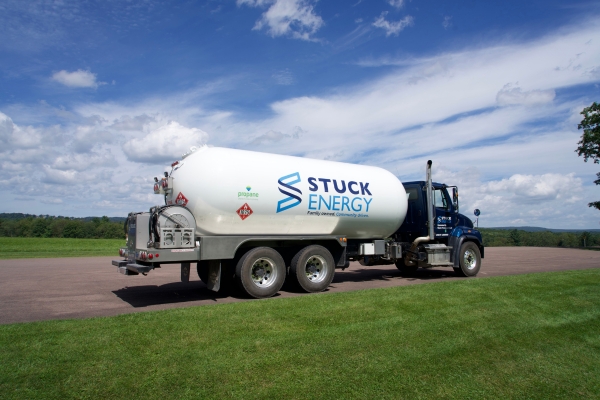
Fleet managers need fuel solutions that support dependable operation, manageable expenses, and lower maintenance requirements. Propane autogas addresses these priorities through several practical benefits:
- More Predictable Fuel Costs: Propane prices can offer greater stability than gasoline or diesel, helping fleet operators forecast annual fuel expenses and limit exposure to significant price fluctuations.
- Cleaner Vehicle Emissions: Propane produces fewer harmful pollutants than conventional fuels, helping organizations reduce fleet emissions and support cleaner local air.
- Dependable Winter Operation: Propane vehicles provide reliable starting and performance in cold temperatures, helping fleets maintain service throughout demanding winter conditions.
- Lower Maintenance Demands: Cleaner combustion can limit carbon deposits and engine contamination, reducing certain maintenance needs while supporting vehicle uptime and engine longevity.
- Convenient Fleet Refueling: On-site propane fueling infrastructure can simplify refueling, support efficient route scheduling, and reduce reliance on public fueling stations.
How Businesses in Pennsylvania, Maryland, West Virginia, and Ohio Can Adopt Propane Vehicles
Businesses can transition to propane vehicles through a structured, practical approach. Fleet managers should begin by reviewing fuel consumption and operating requirements to identify vehicles and routes where propane can provide meaningful value. They can then choose appropriate propane-powered vehicles based on performance needs, efficiency, and long-term operating costs.
After selecting vehicles, companies should arrange reliable refueling access through properly designed on-site fueling stations that support efficient daily operations. Organizations should also train employees on safe fueling procedures and operating practices to integrate propane vehicles smoothly into established fleet workflows.
Frequently Asked Questions About Propane Autogas

How Can Propane Autogas Affect Long-Term Fleet Expenses?
Propane can help control long-term fleet expenses through more predictable fuel pricing, cleaner combustion, and reduced carbon buildup inside engines. Cleaner operation may decrease certain maintenance requirements and emissions-related service needs while supporting longer engine life. Fleet operators may also have access to fixed or seasonal fuel pricing programs, making annual budgeting and operating-cost planning more predictable.
How Quickly Can a Propane Vehicle Be Refueled?
Propane vehicles can typically be refueled within several minutes, making the process comparable to fueling gasoline vehicles. On-site propane stations allow bus depots, fleet yards, and service facilities to refuel without traveling to public stations. This quick, consistent process helps delivery fleets, shuttle services, and other time-sensitive operations maintain efficient schedules and minimize downtime.
Can Propane Vehicles Provide Sufficient Driving Range?
Propane vehicles can deliver practical driving ranges when fuel tanks are properly sized for their intended duty cycles. Light-, medium-, and heavy-duty vehicles can use different tank capacities to accommodate route length and mileage requirements. Fleet managers can plan routes and select suitable tank configurations to support full work shifts. Propane’s consistent performance helps maintain dependable vehicle range throughout changing seasonal conditions.
What Safety Systems Are Used in Propane-Powered Vehicles?
Propane vehicles incorporate several safety features, including pressure-rated fuel tanks, automatic shutoff valves, excess-flow valves, and durable fuel lines. These components securely contain propane and help reduce the risk of uncontrolled fuel release. Propane is nontoxic and disperses quickly when released outdoors. Routine professional inspections help ensure tanks, valves, lines, and fittings remain in proper condition for safe, reliable operation.
How Can Fleets Monitor Propane Consumption and Vehicle Performance?
Propane fleets can use telematics systems to track fuel consumption, mileage, idle time, fuel levels, and engine diagnostics. This data helps fleet managers anticipate refueling needs, evaluate route efficiency, and schedule maintenance based on vehicle performance. Some platforms also provide remote access to fuel data, supporting better on-site refueling planning. Consistent monitoring can improve fleet reliability and reduce unnecessary fuel consumption.
Conclusion
Propane provides transportation fleets, delivery operations, mobile service units, and municipal vehicles with reliable performance, cleaner operation, and manageable fuel costs. Its consistent power and lower emissions can help organizations maintain dependable fleet operations while supporting long-term efficiency and sustainability goals.
For reliable propane supply and guidance during your fleet transition, contact Stuck Energy. We help businesses throughout Pennsylvania, Maryland, West Virginia, and Ohio implement practical propane solutions that keep commercial vehicles operating efficiently. Reach out today to learn how propane can support your transportation needs.
Contact Stuck Energy for Dependable Propane Delivery in PA, MD, WV, and OH
Homes and businesses throughout Pennsylvania, Maryland, West Virginia, and Ohio rely on Stuck Energy for dependable propane delivery that supports comfort, productivity, and daily operations year-round. We provide high-quality propane with responsive service tailored to residential and commercial fuel requirements.
Stuck Energy prioritizes transparent pricing, reliable communication, and convenient delivery scheduling that fits your energy needs. Whether you use propane for heating, cooking, commercial equipment, fleet operations, or other applications, our experienced team helps maintain a consistent fuel supply.
Known for professional service, safety, and customer care, Stuck Energy provides reliable propane solutions throughout the region. Contact us today to schedule your next propane delivery and secure dependable fuel service throughout every season.
You can click here to contact us now or call us at (855) 577-3835 to find out more! Click the link to view our service area.

Related Articles: