
Why Propane Is A Reliable Home Energy Choice

More homeowners are choosing propane for their energy needs because it combines reliable performance, high efficiency, versatility, and cost-effective operation in one fuel source. Propane energy can support essential household systems and appliances, including home heating, water heating, cooking, and backup generators, giving homeowners a dependable energy option for year-round use. Its clean-burning properties and on-site storage further add to its appeal for households seeking greater energy reliability and flexibility.
This article explores why propane has become an increasingly popular residential energy choice, including its efficiency, environmental advantages, versatility, safety, reliability, and potential cost savings.
Why Propane Is Becoming a Preferred Residential Energy Source
Homeowners increasingly want energy solutions that provide dependable performance while keeping efficiency and long-term costs in mind. Propane addresses these priorities through its broad range of residential applications and reliable on-site energy supply.
Efficient Energy Performance
Propane’s high energy density allows it to deliver substantial heat from a relatively small amount of fuel. High-efficiency propane furnaces, boilers, water heaters, and other appliances can provide strong performance while helping homeowners manage energy consumption and operating costs.
Propane equipment is also valued for responsive performance. Furnaces can provide consistent heat during cold weather, while propane water heaters can offer fast hot-water recovery for busy households. Actual efficiency and operating costs depend on the equipment, household demand, climate, and local fuel prices.
Versatile Energy for the Entire Home
One of propane’s greatest advantages is its versatility. A single fuel source can support numerous household needs, including:
- Home heating
- Water heating
- Cooking
- Clothes drying
- Fireplaces
- Outdoor grills and kitchens
- Pool and spa heating
- Backup generators
Homeowners do not have to use propane for every application to benefit from it. Propane can serve as a primary household energy source or supplement electricity and other fuels for selected appliances, giving homeowners greater flexibility when designing or upgrading their energy systems.
Reliable Propane Energy With On-Site Storage in Pennsylvania, Maryland, West Virginia, and Ohio
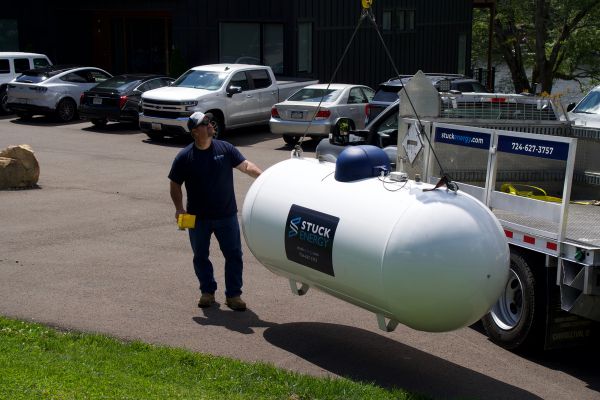
Propane is stored directly on the property, giving homeowners an independent fuel supply that does not rely on natural gas pipelines. This can be particularly useful in rural communities, areas without natural gas infrastructure, and locations where homeowners want greater control over their household fuel supply.
Properly stored propane does not degrade over time, making it well suited for both everyday appliances and less-used equipment, such as backup generators. An appropriately sized tank can provide a substantial fuel reserve and reduce how often deliveries are required.
Tank size should reflect the home’s propane consumption, number of appliances, available property space, and expected delivery schedule. A propane provider can evaluate these factors and recommend storage capacity that supports dependable year-round use.
Cleaner-Burning Residential Fuel
Propane is a clean-burning fossil fuel that generally produces fewer air pollutants during combustion than higher-carbon fuels such as coal. Modern high-efficiency propane equipment can also make effective use of the fuel consumed, helping homeowners balance household energy requirements with environmental considerations.
Propane is non-toxic and does not readily contaminate soil or groundwater like liquid fuels. If released, propane typically vaporizes rather than pooling in the ground. Proper tank installation, storage, and handling remain essential for protecting people and property.
Safe and Dependable Household Energy
Residential propane systems incorporate safety features designed to support dependable fuel storage and use. Propane is naturally odorless, so an odorant is added to make potential leaks easier to recognize.
Professional installation and routine maintenance are important parts of propane safety. Tanks, regulators, fuel lines, connections, and propane-powered equipment should be inspected and serviced as appropriate to identify wear, damage, or performance concerns.
If a propane odor is detected, occupants should leave the area, avoid flames, electrical switches, and other potential ignition sources, and contact their propane provider or emergency services from a safe location. Qualified professionals should always handle propane system repairs.
Competitive Energy Costs
Propane can offer competitive operating costs, particularly when paired with high-efficiency equipment. The overall value of propane depends on several factors, including:
- Local propane prices
- Household fuel consumption
- Appliance efficiency
- Climate and heating demand
- Propane tank capacity
- Delivery arrangements
- Equipment maintenance requirements
Using propane for several household applications may also simplify energy management by allowing heating, hot water, cooking, and other equipment to draw from the same stored fuel supply.
Homeowners should consider total operating costs rather than comparing fuel prices alone. Equipment efficiency, maintenance, delivery arrangements, and household consumption can all influence the long-term cost of using propane.
Convenient Propane Delivery in Pennsylvania, Maryland, West Virginia, and Ohio
Residential propane delivery can be arranged according to household consumption and homeowner preferences. Depending on the supplier, common options include:
- Automatic Delivery: The propane provider estimates household consumption and schedules deliveries before the fuel supply becomes too low.
- Will-Call Delivery: The homeowner monitors the tank level and contacts the supplier when additional propane is needed.
Automatic delivery can reduce the need to continually monitor tank levels, making it useful for households that prefer a more hands-off approach. Will-call service gives homeowners greater control over when they place orders and may suit customers who closely track their fuel consumption.
Choosing an appropriate tank size can further reduce delivery frequency and help maintain a dependable fuel reserve. Homeowners should consider their typical consumption, seasonal demand, and delivery preferences when selecting a propane service plan.
Propane Energy: FAQs

What Are the Initial Setup Costs for Switching to Propane?
Initial expenses may include a propane tank purchase or rental, fuel lines, regulators, site preparation, and appliance installation. Costs depend on tank size, property conditions, existing infrastructure, and how many propane appliances will be used. Homeowners should compare these upfront expenses with expected equipment efficiency and long-term operating costs.
How Long Does a Propane Tank Typically Last?
A properly maintained propane tank can remain in service for decades. Lifespan varies based on tank type, installation, environmental exposure, maintenance, and overall condition. Regular professional inspections help identify corrosion, damage, and other concerns that could affect continued use.
How Often Should Propane Appliances Be Serviced?
Service requirements vary by appliance and manufacturer, although many propane heating systems benefit from annual professional maintenance. Routine service helps maintain efficiency, verify safe operation, and identify developing equipment problems before they lead to larger repairs.
What Happens During a Propane Delivery?
A delivery professional connects the delivery hose to the tank and fills it according to established safety procedures. The exact process and any additional checks performed may vary depending on the provider, tank, and circumstances surrounding the delivery.
What Should Homeowners Consider When Selecting a Propane Tank Location?
Tank placement should account for required safety clearances, local regulations, delivery access, underground utilities, landscaping, and future construction. A qualified propane provider can evaluate the property and identify a suitable location that supports safe installation and convenient future deliveries.
Conclusion
Propane appeals to homeowners because it offers efficient performance, versatility, reliable on-site storage, and convenient delivery. From home heating and hot water to cooking and backup power, one fuel can support numerous household energy needs while providing greater flexibility and energy independence.
Choosing the right tank size, equipment, and delivery arrangement can help homeowners maximize these advantages. A dependable propane provider can assess household fuel needs and maintain a consistent supply year-round.
Contact Stuck Energy for Reliable Propane Delivery in PA, MD, WV, and OH
Stuck Energy keeps homes and businesses across Pennsylvania, Maryland, West Virginia, and Ohio supplied with the propane they need throughout the year. Our dependable delivery services support residential heating, cooking, outdoor appliances, agricultural operations, and a wide range of commercial energy needs.
We make propane delivery simple with timely service, clear pricing, and flexible solutions based on each customer’s fuel usage. Whether you depend on propane for everyday household comfort or essential business operations, our team works to maintain a consistent supply when you need it.
Choose Stuck Energy for professional service backed by a strong commitment to safety and customer satisfaction. Contact us today to schedule propane delivery and keep your home or business supplied in every season.
You can click here to contact us now or call us at (724) 627-3757 to find out more! Click the link to view our service area.

Related Articles