
How To Avoid Propane Delivery Delays During Winter

Propane demand typically increases as winter temperatures fall, making dependable delivery essential for keeping homes and businesses warm throughout the season. Snow, ice, severe weather, and limited property access can make deliveries more challenging, especially during peak demand. Preparing ahead can help prevent delays and maintain a steady fuel supply when propane is needed most.
This article covers practical propane preparation tips for winter deliveries, helping homes and businesses stay prepared, accessible, and adequately supplied during cold, unpredictable weather.
Planning Your Winter Propane Supply
Estimating your propane requirements before winter helps maintain reliable service and consistent comfort. Colder temperatures typically increase fuel consumption as heating systems operate more frequently, while overall usage varies with seasonal conditions. Reviewing past propane use and expected weather patterns can give you a clearer picture of how much fuel you may need.
Monitoring your tank level regularly can also reduce the risk of unexpected shortages. Knowing how quickly your home typically uses propane during colder periods gives you more time to schedule deliveries and prepare for higher winter demand.
Planning Winter Propane Deliveries in Pennsylvania, Maryland, West Virginia, and Ohio
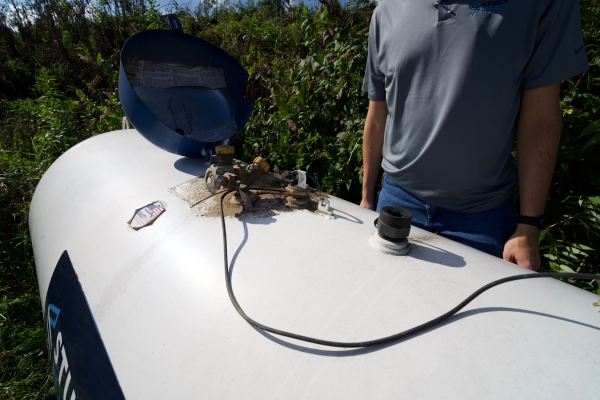
Planning propane deliveries before your fuel level becomes too low can help maintain a dependable winter supply. Consider scheduling a delivery when your tank reaches about 30%, particularly during periods of high seasonal demand. Establishing a consistent delivery schedule provides more time for your supplier to respond and reduces the risk of an unexpected shortage.
Automatic delivery programs can further simplify winter fuel planning. These services typically consider past consumption and weather conditions to estimate propane needs and schedule deliveries before your supply runs low.
Inform your propane provider whenever your contact details, household needs, or typical fuel consumption changes. Accurate, current information helps your supplier coordinate deliveries more efficiently and minimize potential service disruptions.
Preparing Your Property and Propane Tank in Pennsylvania, Maryland, West Virginia, and Ohio
Winter preparation helps keep your propane tank protected and accessible while allowing delivery personnel to reach it safely. Taking a few practical steps before snow and ice arrive can support safer, more reliable propane deliveries throughout the season:
- Maintain Clear Access: Remove snow and ice from driveways, walkways, and routes leading to the propane tank so delivery personnel have safe, unobstructed access.
- Remove Nearby Hazards: Clear leaves, debris, and combustible materials from around the tank to reduce potential hazards and keep propane equipment accessible for inspection.
- Address Overhead Risks: Check for heavy snow, icicles, and overhanging branches that could fall onto the tank, regulator, fuel lines, or related equipment.
- Improve Traction Safely: Use appropriate materials such as sand or calcium chloride around access routes to reduce slippery conditions without creating unnecessary hazards near the tank.
Staying Safe During Propane Deliveries in PA, MD, WV, and OH

Basic precautions can help maintain a safe environment during propane deliveries. Keep pets and children indoors, avoid the immediate delivery area, and watch for unusual conditions that could present a potential hazard.
Delivery personnel should follow proper safety protocols, wear appropriate protective equipment, and examine the tank area during the delivery process. Any problems identified with the tank or surrounding equipment should be communicated so they can receive appropriate attention.
In an emergency, household members should know where the propane shutoff valve is and how to close it when safe to do so. Keep your propane provider’s emergency contact information readily available and ensure everyone understands the proper response procedures.
Protecting Your Propane Tank Throughout Winter
Snow, ice, storms, and freezing temperatures can place additional strain on propane tanks and related equipment. Regular observation and professional maintenance can help detect developing problems before they affect safety or reliable fuel service.
- Prevent Snow and Ice Buildup: Keep excessive snow and ice from accumulating against the tank or surrounding propane equipment.
- Monitor for Storm Damage: After severe weather, visually check the tank and nearby components for damage or other unusual conditions.
- Keep Vents and Regulators Unobstructed: Prevent snow, ice, and debris from blocking these components so they can continue operating properly.
- Arrange Professional Inspections: Have qualified professionals check the propane system for corrosion, leaks, pressure issues, and other conditions requiring attention.
Propane equipment must comply with applicable local requirements governing installation, operation, and inspection. Professional evaluations can identify potential safety concerns, verify that equipment meets relevant requirements, and support dependable propane system performance throughout the winter heating season.
Preparing for Winter Propane Emergencies
Winter storms can delay propane deliveries and make some routes temporarily inaccessible, so it’s important to prepare before severe weather arrives. A few practical measures can help households respond safely if normal service is disrupted:
- Monitor Weather Conditions: Follow local forecasts for approaching storms that could delay or prevent scheduled propane deliveries.
- Understand Emergency Procedures: Know your propane provider’s severe-weather policies, delivery procedures, and emergency contact information.
- Stock Basic Winter Supplies: Keep flashlights, blankets, warm clothing, and other essential emergency items readily accessible.
- Plan for Heating Disruptions: Have a safe, appropriate backup heating plan in case your primary heating system becomes unavailable.
Planning ahead for severe winter conditions can help households stay safe and prepared when weather-related disruptions affect propane deliveries or regular heating service.
Using Technology to Manage Propane Supply
Remote tank monitors and mobile apps can make propane management easier by providing current fuel-level information without frequent manual gauge checks. Some monitoring systems can also track consumption trends and account for weather conditions, helping households and propane providers anticipate future demand and coordinate deliveries more effectively.
These tools can simplify fuel monitoring and reduce the likelihood of unexpected shortages during winter. Contact Stuck Energy to learn more about available propane tank monitoring and delivery options.
Propane Preparation Tips: FAQs

What Should I Do If I Notice a Propane Odor?
If you smell gas, leave the building or affected area immediately and move to a safe location. Avoid operating light switches, appliances, phones, or anything else that could produce a spark or ignition. Once you are safely away from the suspected leak, contact your propane provider’s emergency line or local emergency services. Do not return to the property until qualified professionals confirm that it is safe.
How Can I Improve My Propane Heating System’s Efficiency?
Improve propane heating efficiency by scheduling routine professional maintenance, using a programmable or smart thermostat to manage temperatures, and maintaining adequate insulation to reduce heat loss. Sealing air leaks can further limit unnecessary fuel consumption. If your heating equipment is older or inefficient, upgrading to a newer high-efficiency system may reduce propane usage and overall heating costs.
Does Propane Offer Environmental Benefits?
Propane is a relatively clean-burning fuel that produces fewer emissions of certain air pollutants and greenhouse gases than some conventional fossil fuels, depending on the application being compared. It is also non-toxic and does not contaminate soil or groundwater if released because it vaporizes rather than pooling as a liquid. These characteristics can make propane a practical lower-emission fuel for many residential and commercial applications.
Are There Environmental Advantages to Using Propane?
Propane provides several environmental advantages because it burns cleanly and produces fewer greenhouse gas emissions than many conventional fossil fuels. This can help lower the environmental impact associated with everyday energy use. Additionally, propane is non-toxic and does not contaminate soil or groundwater if released, while its cleaner combustion produces fewer pollutants, helping support improved air quality and environmental protection.
What Precautions Should I Follow for Propane Appliances?
To keep propane appliances safe, have qualified technicians install them professionally and perform routine maintenance to support reliable operation and proper safety practices. Periodic inspections can identify possible leaks or performance concerns. Always follow manufacturer instructions regarding ventilation and required clearance around equipment to reduce carbon monoxide risks. Install carbon monoxide alarms near sleeping areas throughout your home and test and maintain them regularly.
What Appliances Can Run on Propane Besides Heating Systems?
Propane is a versatile fuel that can power many household appliances beyond heating systems. Common applications include water heaters, cooking ranges, clothes dryers, outdoor grills, and swimming pool heaters. Propane can also fuel backup generators, providing dependable energy when electrical outages occur. Its efficiency and quick heating make propane a practical fuel option for many indoor and outdoor residential applications.
Conclusion
Preparing for winter propane deliveries requires monitoring fuel levels, estimating seasonal needs, maintaining clear tank access, and keeping propane equipment in good condition. Scheduling deliveries early, arranging professional inspections, preparing for severe weather, and using tank-monitoring technology can further help prevent fuel shortages and delivery disruptions throughout winter.
Contact Stuck Energy to plan your propane deliveries before colder weather increases demand. Our team provides dependable propane delivery to help keep your home comfortably supplied throughout the heating season. Avoid waiting until your fuel level becomes critically low. Call today to schedule your next delivery and prepare for winter with greater confidence.
Contact Stuck Energy for Dependable Propane Delivery in Pennsylvania, Maryland, West Virginia, and Ohio
Stuck Energy provides reliable propane delivery for homes and businesses throughout Pennsylvania, Maryland, West Virginia, and Ohio, helping customers maintain a steady fuel supply during winter and throughout the year. We provide high-quality propane, responsive service, competitive pricing, and dependable delivery options designed around your energy needs.
In addition to propane delivery, Stuck Energy offers comprehensive HVAC services to support year-round indoor comfort. Our experienced team handles heating and cooling installations, routine maintenance, system repairs, and other HVAC needs, focusing on safe, efficient, reliable performance.
Choose Stuck Energy for dependable propane delivery and professional HVAC support from a team committed to consistent service and customer satisfaction. Whether you are preparing for winter or managing your year-round propane needs, we are ready to help keep your property comfortable and properly supplied. Contact Stuck Energy today to schedule propane delivery or HVAC service.
You can click here to contact us now or call us at (724) 627-3757 to find out more! Click the link to view our service area.

Related Articles