
What Beginners Should Know About Propane
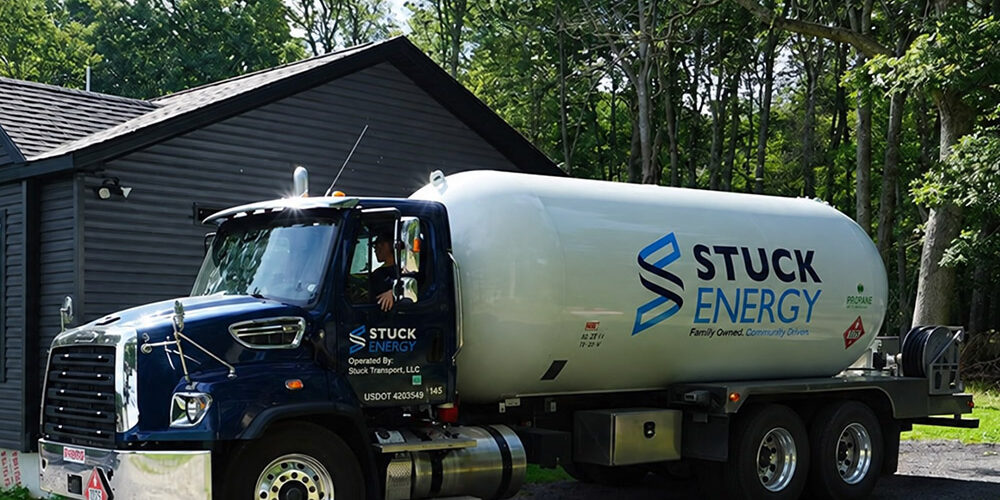
Propane is a flexible, efficient fuel that powers home heating, cooking, water heaters, household appliances, generators, and many other residential and commercial systems. If you are unfamiliar with propane, learning how it works and following proper safety practices can make using and managing it much simpler.
This article covers helpful propane tips for beginners, including common propane applications, important advantages, safety guidelines, and other fundamentals for managing propane safely, efficiently, and responsibly.
Essential Propane Tips for New Users
The sections below cover important propane guidance for beginners, helping you use this versatile fuel safely and efficiently.
Understanding Propane
Propane is a hydrocarbon fuel made primarily from carbon and hydrogen. It is naturally present in petroleum and natural gas deposits and is separated during crude oil refining and natural gas processing. Its comparatively low carbon content supports efficient combustion while contributing to less environmental impact than several traditional fuel sources.
Propane combusts more cleanly than gasoline, resulting in fewer air pollutants and greenhouse gas emissions. Combined with its flexibility, this characteristic makes propane suitable for heating, cooking, and numerous other purposes. Once processed and refined, propane is transported and stored in liquid form, allowing convenient distribution for residential, commercial, and industrial applications.
Common Propane Applications in Pennsylvania, Maryland, West Virginia, and Ohio

Propane is a versatile, efficient, and portable energy source used in homes, businesses, industrial facilities, and agricultural operations. Its cost-effectiveness and cleaner-burning properties make it suitable for many applications.
- Home Heating: Propane furnaces provide efficient, dependable warmth.
- Cooking: Propane stoves and ovens offer precise temperature control and consistent heat.
- Water Heating: Propane water heaters provide reliable hot water for homes and businesses.
- Clothes Drying: Propane dryers support efficient residential and commercial laundry.
- Backup Power: Propane generators provide reliable power during outages.
- Commercial Heating: Propane heats offices, warehouses, workshops, and other large spaces.
- Industrial Equipment: Propane powers forklifts and other industrial equipment.
- Agricultural Operations: Farms use propane for crop drying, greenhouse heating, and other applications.
These uses make propane a practical energy source across multiple sectors, while its cleaner combustion can reduce certain emissions compared with higher-carbon fuels.
Propane Safety Guidelines and Best Practices in PA, MD, WV, and OH
Following established safety practices is crucial when handling and storing propane. Place propane tanks in properly ventilated locations away from flames and heat sources, check them routinely for signs of damage, and verify that every connection stays secure.
Watch for propane’s recognizable sulfur-like smell, which can signal a leak, and consider using propane detectors for additional protection. Arrange regular inspections by qualified technicians to ensure propane equipment operates safely. If you detect a possible leak, leave immediately, avoid electrical switches and potential ignition sources, and call emergency services from a secure location.
Propane System Installation and Routine Maintenance
Proper propane tank and system installation requires accuracy and strict compliance with established safety requirements. The process includes choosing the correct tank size and configuration, then completing installation according to applicable local regulations and codes. Careful installation supports safe system performance while improving operating efficiency and long-term durability.
Routine servicing and inspections are essential for keeping propane systems efficient and safe. Scheduled evaluations can extend the system’s useful life while detecting developing concerns before they turn into serious problems. Thorough maintenance helps ensure propane equipment continues operating dependably, efficiently, and safely for every user.
Advantages of Propane Compared to Other Energy Sources
Propane offers several advantages over electricity, natural gas, and other energy sources:
- Cost-Effective: Propane can cost less than electricity for heating, cooking, and water heating, depending on local energy prices.
- Efficient: Its high energy content and efficient appliances provide strong performance for heating and other applications.
- Cleaner-Burning: Propane produces fewer carbon emissions than some higher-carbon fuels, supporting environmental goals.
- Reliable: On-site storage provides access to fuel where natural gas service is unavailable and can support backup power during outages.
- Versatile: Propane can fuel heating systems, water heaters, cooking appliances, generators, and commercial equipment.
Many users also report lower energy costs and improved heating and cooking performance after switching to propane, though actual savings vary by usage, equipment, and local fuel prices.
Selecting a Reliable Propane Provider in Pennsylvania, Maryland, West Virginia, and Ohio
Several important considerations can help customers choose a dependable propane delivery and service company. Look at the provider’s reputation for reliability, available services, and variety of delivery arrangements. Reviewing its approach to customer care and established safety practices is equally important. Considering these factors helps ensure your chosen company can address specific requirements while providing consistent, safe service.
Stuck Energy reflects these standards through dependable service, knowledgeable support, and a strong focus on customer satisfaction. We provide flexible delivery options for varying propane needs and competitive pricing programs designed to accommodate different household and business budgets.
Propane Tips: Frequently Asked Questions

Is Propane a Safe Fuel for Residential Use?
Yes. Propane is safe for homes when appropriate precautions are followed. It is non-toxic and doesn’t contaminate soil or groundwater. An odorant is added to help users identify potential leaks. Professional installation, regular maintenance, routine inspections, and following manufacturer safety guidelines help ensure safe operation and reduce accident risks.
What Is the Safest Way to Store Propane?
Keep propane tanks outdoors in well-ventilated locations to prevent gas accumulation. Position them upright on a stable, non-combustible surface, such as concrete, and away from ignition sources, including generators and open flames. Protect tanks from excessive heat and prolonged direct sunlight, which can raise internal pressure. Regularly check tanks for leaks, corrosion, or visible damage to maintain safe storage conditions.
When Should I Schedule a Propane Refill?
Propane refill frequency depends mainly on your household or business usage. Check the tank gauge regularly and schedule delivery when the level reaches about 20% to 30%. This helps prevent unexpected runouts, particularly during high-demand periods like winter. Routine monitoring or enrolling in automatic propane delivery can help maintain a steady, dependable fuel supply.
Can I Convert From Another Fuel to Propane?
Converting from another fuel source to propane is a practical option that may improve energy efficiency and reduce operating costs. Have a qualified HVAC professional evaluate your current equipment and recommend suitable conversion options. They can identify necessary system upgrades and determine how propane can be safely and effectively incorporated into your existing energy system.
How Efficient Are Propane Heating Systems?
Propane heating systems can provide highly efficient home heating. They produce strong heat output and can warm indoor spaces quickly, making propane a practical choice for many homeowners. High-efficiency propane furnaces also convert a large portion of their fuel into usable heat, helping reduce unnecessary energy consumption and potentially lowering overall heating costs.
Conclusion
Propane provides an efficient, cleaner-burning energy option for numerous residential, commercial, agricultural, and industrial applications. Understanding proper propane use, storage, safety, and maintenance helps customers benefit from dependable performance. Choosing an experienced propane provider is equally important, and Stuck Energy delivers the reliable service and knowledgeable support customers need.
For dependable propane solutions, contact Stuck Energy to learn about our available services and how our team can safely and effectively support your specific propane requirements.
Contact Stuck Energy for Dependable Propane Delivery in Pennsylvania, Maryland, West Virginia, and Ohio
Stuck Energy provides reliable propane delivery for homes and businesses throughout Pennsylvania, Maryland, West Virginia, and Ohio, helping customers maintain dependable comfort and energy year-round.
Our team supplies clean, efficient propane with timely deliveries and convenient service. We provide straightforward pricing and competitive rates while prioritizing reliability, safety, and responsive customer care with every delivery.
Choosing Stuck Energy means partnering with a propane provider committed to dependable solutions, professional service, and customer satisfaction. We proudly help local households and businesses maintain a reliable propane supply throughout every season. Contact us today to arrange your next propane delivery.
You can click here to contact us now or call us at (855) 577-3835 to find out more! Click the link to view our service area.

Related Articles